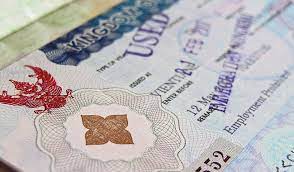
Thai Visa
Tourist Visa in Thailand
Tourist Visa in Thailand. Thailand, the “Land of Smiles,” beckons travelers with its stunning beaches, vibrant culture, and delicious cuisine. But before you pack your

Tourist Visa in Thailand. Thailand, the “Land of Smiles,” beckons travelers with its stunning beaches, vibrant culture, and delicious cuisine. But before you pack your
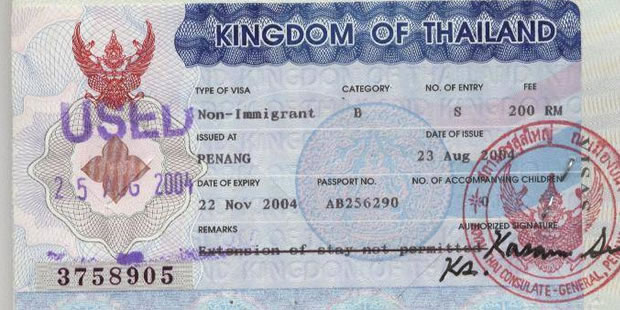
Work Permits in Thailand. Thailand, renowned for its rich cultural heritage and booming economy, attracts numerous foreigners seeking employment opportunities. If you’re considering working in
Thailand recently made an announcement regarding changes to the Long-Term Resident (LTR) visa requirements, reducing the application fee to 50,000 Baht, half of the previous
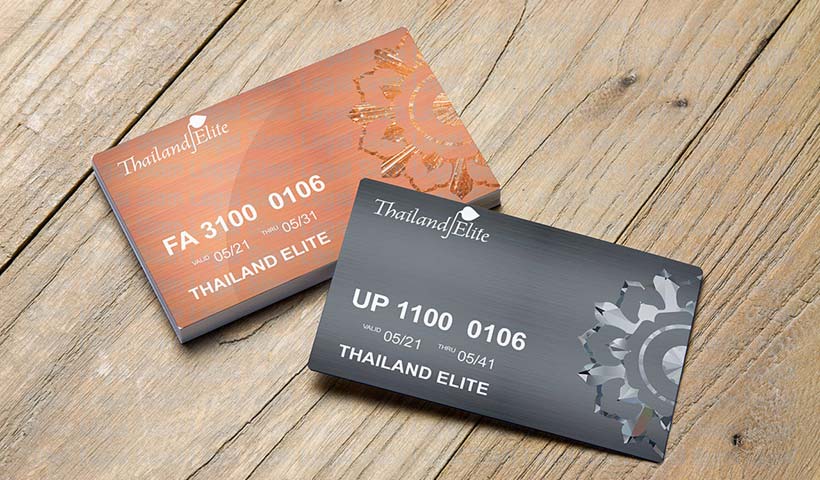
If you are planning on visiting Thailand, you may want to consider applying for a Thailand Privilege Visa, formerly Thailand Elite Visa. This type of
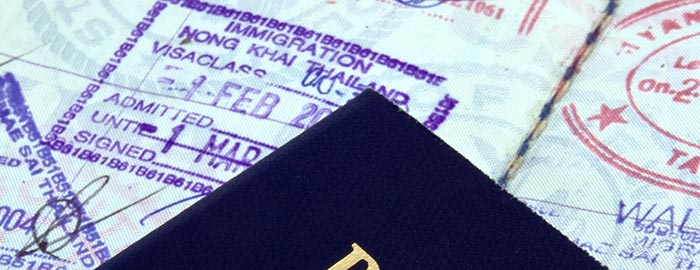
When considering Thailand as your next travel destination, one of the most important thing to keep in mind is to never overstay the visa you
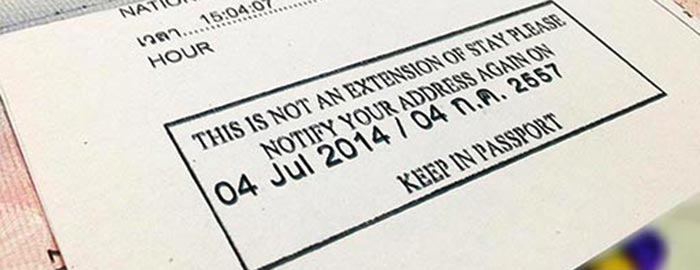
Every foreigner with extended stay in Thailand (holders of thai multiple entry visa, thai retirement visa, and other long-term visas) need to report with the